
By Ai-Jen Poo and Tiffany Williams
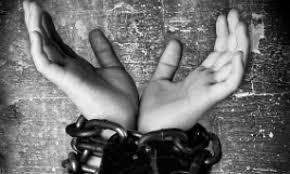 Imagine waking to the sound of a baby crying at 5 a.m., opening your eyes, and looking into the crib from a cot right beside it. Another day begins. Perhaps you are only 23 years old, but feel much older because you have been subsisting on four hours of sleep per night and leftover scraps from your employer’s dinner table, and you suffer severe back pain for which you have been denied access to doctors. Maybe you came to the United States from Indonesia, the Philippines, or Kenya by way of Bahrain, Saudia Arabia, or Lebanon, sponsored by a princess or a diplomat. More than likely, your employer has taken your passport, visa, and other documents to keep you from being able to leave, though she told you it was for your own protection. You were promised a fair wage and regular hours of work. You probably even signed a contract. Yet here you’ve awakened in the baby’s bedroom, no room of your own, no ability to contact your family, living in constant fear of what might happen if you spoke out or tried to escape.
You are one of the hundreds, maybe thousands of migrant women workers who have left their families at home to care for someone else’s, only to be trafficked into domestic servitude.
The case reported last week involving the Kenyan maid abused by the “Saudi princess” in Southern California was only the latest of many examples of severe exploitation of migrant domestic workers.
The International Labor Organization, Human Rights Watch, the ACLU, and other human-rights advocacy organizations have compiled report after report about human trafficking and migrant domestic-worker abuse around the world. Forced overtime, degrading living conditions, withholding of pay and identity documents, threats, emotional abuse, and even physical and sexual assault are so common in the migrant domestic-worker population that each case almost mirrors the last. While the stories surrounding workers in the Middle East tend to be severe, the elements that make workers vulnerable, like employer sponsorship and lack of protections or recognition for their work, are not unique to the Gulf.
Read More House of Horrors: Labor Trafficking in Domestic Workers – The Daily Beast.

 soulbrotherspeaks.com