By Sameer Rao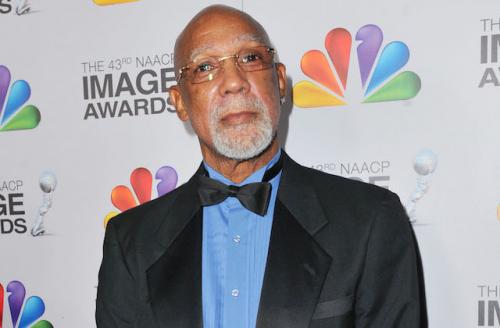
Back in 1968, sprinter John Carlos’ decision to stand for racial justice and raise his black-gloved fist during the Olympics’ medal ceremony led to a backlash that ultimately cost him his marriage.
“My wife and kids were tormented,” Carlos wrote in a new piece for Vox. I was strong enough to deal with whatever people threw at me, because this is the life I’d signed up for. But not my family. My marriage crumbled. I got divorced. It was like the Terminator coming and shooting one of his ray guns through my suit of armor.”
Despite enduring death threats and character assasination, Carlos writes, “I wouldn’t change what I did.” Carlos’ essay focuses on the weight of his actions and the need for Black athletes to use their fame to address the systemic oppression and racism Black people face:
I’m really frustrated with a lot of today’s stars, who have an opportunity to speak up but don’t. They think they’re secure in their little bubbles of fame and wealth. They think racism and prejudice can’t touch them because they’ve achieved a certain level of success.
Read More: Olympian John Carlos: ‘If You’re Famous and You’re Black, You Have to Be An Activist’ | Colorlines




 soulbrotherspeaks.com
The Politics of Being Woke
By Lawrence Ware
“Who polices the woke?” The question caught me off guard.
My line brother posed it to me as I was on my way to a meeting. We are members of the first historically black Greek collegiate fraternity and are called line brothers because we joined at the same time. He called with a question that, up until then, I’d not considered. He wanted to know what was the mechanism by which we quantify someone’s degree of wokeness.
“Can a person be woke in one area but sleep in another?” Good question.“
Does being woke mean I have to agree with what all other woke folks say should be done about issues in the black community?” My L.B. is smart. I’d expect nothing else from an Alpha man.
His main point of inquiry centered on the illusive nature of ideas and expectations concerning those we identify as woke. He called me because he knows that as a philosopher of race, I teach, write and think about the intersection of race and public policy. To fully unpack his question, I think we need to first examine the contemporaneous use of the word “woke” vis-à-vis the movement for black lives.
Read More: The Politics of Being Woke